Showing posts with label Travel. Show all posts

Sunday, April 26, 2009

April 25th - Marseilles & Bandol


4-25-09 – Marseilles & Bandol

Michel and Anna invited me to go to Bandol, to perhaps go sailing on Michel’s sailboat. I met them in front of the hotel , and we left in their car. We drove down the Rhone valley, past Aix-en-Provence, Mont Luberon, and down toward the coast. Provence has beautiful countryside, orderly farms, planted in espaliered fruit trees, with tall cypress and platane trees lining the fields to protect against le Mistral. At the same time, it still seems very wild and natural; the homes are built from the same rock of the mountains and hills all around, and the scrubby ‘Garrigue’ brush is largely composed of wild herbs and flowers that blend seamlessly into the edges of the farms themselves. It is difficult to see where nature ends and the hand of man is a very subtle thing here.

About an hour into the drive, we went through a tunnel, and emerged with the sea in sight, and Marseilles spread out before us. This is a major seaport – ships of every description were in evidence, loading and unloading cargo from around the world. Ferries from here reach Rome, Corsica, Barcelona, Genoa, Beirut, Alexandria, Lybia, Morocco, and Algeria. Humans have lived around here for 30,000 years, evidenced by cave paintings in the area - It was established as a seaport by the Phonecian Greeks 3,000 years ago, and was important to every power since. The Vieux Port is still bustling within its very sheltered walls, but today it is filled with pleasure boats, instead of the vessels of commerce which used to bring the wealth of the world here. We crept up on the road along the Cornice, where you can view out to sea. It is possible to see the islands where the Count of Monte Cristo was supposed to have been held as a captive, and he escaped by swimming away in the sea.

From here, we turned a bit inland, and followed the motorway toward Toulon. We passed Cassis, which is famous for the Calanques – a landscape of high mountains that fall into secluded fijord-like grottos – perfect for boating and swimming. We arrived soon at Bandol, which is both a larger wine region made up of several villages, and a small seaside city. We found Michel’s boat, the Llhassa, which is about a 40’ sailing boat, and set up aboard. The wind was blowing between 25 and 40 knots while we were there, and the entire harbor was filled with the sound of whistling rigging of the hundreds of boats in the marina. We had lunch on the boat, and enjoyed the combination of warm sun with cooling breezes. It was far too windy to go out sailing – outside the protection of the harbor, the sea was whipped into whitecaps, even within the sheltered bay.

We walked the waterfront, checking out the boats – some of them were quite impressive megayachts – also the motorcycle variety was very good! Many groups of people were playing Petanque on the crushed granite boules court – I guess that this is the Provencale sport, and perfect for a breezy Saturday afternoon with one’s friends!

After several hours, we packed our things and left to visit a Domaine owned by friends of Anna & Michel. We drove up into the mountains, quickly gaining altitude as we left the seaside behind. Vines appeared very quickly once we rounded the first bend from the sea, and as we appeared in a higher valley, every hillside was terraced and planted to vines all around.

We arrived at the Domaine de La Laidière, high above the valley floor and with a commanding view of the village of Sainte Anne d’Evenos. We were received by Freddy Estienne, who owns the Domaine. His father and grandfather established the estate in 1941, with some small vineyards which are still owned by the family, and began to produce wine. Since then, they have purchased other vineyards slowly and reclaimed an impressive high terraced slope above the winery which had fallen into disuse over many years, replanting the traditional cepages of Mourvedre, Grenache and Cinsault.

Freddy makes his wines very traditionally, but uses stainless steel, temperature controlled fermentors for the initial fermentation and then ages the wines in large wooden foudres for about 18 months for the reds. He only buys a new foudre every year or two, so the wines are not at all dominated by the wood, but instead stand on the strength of the wines themselves.

We tasted many wines – the white and rose are beautifully refreshing. The rose is a direct pressed wine, meaning that it does not remain on the skins for any time at all, and as such is a pale, delicious, fresh wine. The reds are deep and serious, relying heavily upon the Mourvedre – a grape that produces deep, richly textured wines with aromas of rich earth, blackfruits, and sometimes even leather and blood (this is a good thing, a very good thing!) He opened many vintages for us, both from recent bottlings as well as dating back to 1993.

At the end of our tasting, he beckoned us downstairs into the storage cellar for bottled wines. He has a collection of bottles going back to the first years of the estate, under his father and grandfather. He selected a bottle from his dwindling supply of the 1950 vintage, and brought it upstairs, opening it for us in an overwhelming show of generosity. It was aged, but still vibrant and alive, and amazingly consistent with the younger wines we had been sampling.

This is what wine can be about – it can become more than just a beverage, more than just an art or craft or agriculture, or hobby. To imagine the efforts and toils that Freddy’s grandfather and father endured to bring this wine to bottle – it is staggering. To realize their belief in the terroir of Bandol itself (theirs was one of the Domaines which were instrumental in developing the Appellation d’Origine Controlee for Bandol,) and then to taste the wine which came from their early vintages here in this place – it was to see how wine can also become a thread of history and of place. It ties the generations of their family together, and ties them to this place where they have made their lives. It is a bit of time-travel, a chance to taste the still-lingering fruit from that long-ago summer, and to remember all that has changed since. And yet the continuity between each of the bottles we tasted reminds one of all that does not change – the terroir, the cycle of the sun & seasons, the rhythms of life.

Merci Beaucoup, Beaucoup, Beaucoup, Freddy for sharing this precious bottle with us and for connecting us with your family and your sublime place as well. I will always remember this show of generosity!

www.laidiere.com

April 24th - Chateauneuf du Pape & Orange


4/24/09 – Avignon / Chateauneuf du Pape / Orange:

I arrived from Paris on the TGV and went to collect my rental car. At the office, it quickly became apparent that the rental was going to be a lot more expensive than I had expected from the online quote – mostly because I needed to rent it in Avignon, to be returned in Montpellier, and the expense for a one-way rental was astronomical. On top of that, they would not rent to me a GPS for a one-way rental. I decided to skip it, and took the shuttle into Avignon to check into my hotel.

Once I was on the shuttle, I telephoned to Victor’s father, (Victor is a French Oenology / Viticulture student whom will become an intern with us at Eos this harvest,) Daniel, to let him know that I was in Avignon. He arranged to meet me at 2pm, and we went up the Rhone river about 10 miles to Chateauneuf du Pape. We visited several of the Domaine Beaurenard vineyard sites within Chateauneuf du Pape, and met several of the vineyard workers, who were hand-weeding around the vines. There were so many rocks that the tools they were using were the sturdiest hoes that I had ever seen, complete with a backside of the hoe that allowed them to perfectly work around the trunk of the vines. Daniel said that his system is totally organic now, and in fact he was going entirely to biodynamic viticulture, starting with this season.

Some of the vineyards that we looked at were planted in 1920 – these are some of the oldest vines in their domaine. Daniel said that he is the seventh generation of his family in the vineyards – they have a barn on the property that has been in the family since approximately 1685. Even some of his workers have been there for a long time – one has been an employee for 20+ years, he started working when he was 14. And that employee’s father had worked alongside Daniel’s father, Paul Coulon for most of his career.

The oldest vineyards still producing in their domaine were planted in 1902. ‘Perhaps I will have to replace them, but they still give very good quality wine, but not so much of it’ he said. ‘Or perhaps Victor can replace them!’ It was interesting to see the soil types and how they differed throughout the areas of Chateauneuf. The oldest plantings were established in the areas where there is more clay in the soil, and less rocks. This was the most fertile, and easiest to farm ground. As this land became scarce, growers moved up into the areas where the glaciers deposited mountains of stones. In some places, more than 90% of the soil is made up of rocks! These rocks can reach up to 200 feet deep in places, so they are very well drained. The stones came from as far away as the Alps, carried by the massive glaciers that scoured the valley of the Rhone, and were dropped here when the glacier turned.

In some of these secondary areas, there are huge mounds of stones – the farmers wives used to have the task of carrying stones out of the vineyards, in order to make it easier for the horses to work in the vines. But as many as they pulled up, more shifted up from under the earth – so today there are just as many stones, but many of the vineyards have margins with banks of stones piled up around them. It still would be easy to turn your ankle out here – it is quite incredible!

Daniel told me about a specialist whom he had met with several weeks before. This person is a horticulturalist who works with understanding soil condition and health by analyzing the weeds that grow on the floor of the vineyard. By looking at the type and biodiversity of the species represented, he can tell whether the soil is in a sustainable place, or if it is lacking nutrients, or is not a stable mix of types. This seems quite interesting to me, and quite logical - certainly the state of a soil will determine which species can become dominant in it - and the mixture of types all can give and receive different things within the soil. A stable vineyard soil should exhibit about 20-25 species in this area, according to the specialist - Daniel's vineyards have as many as 42 in some places, and the specialist said that there are no specific challenges that are apparent to him in these locations.

After several hours in the vineyard, we toured the winery, and tasted through the wines. They produce a range of wines, everything from Rose to Cote du Rhone, a very high quality Rasteau, delicious Chateauneuf Blanc, and some magnificent Chateauneuf du Pape Rouge – the wine that this region is justly famous for. The wines of Beaurenard are largely Grenache, with smaller amounts of Carignane, Mourvedre, Syrah, Cinsault. I love Chateauneuf du Pape; it walks a beautiful balance between being a strong, powerful wine of extract and heft, but at the same time it is elegant, not overly tannic, and very layered. You can clearly taste the mineral and restrained ripe red fruit character of the wine, and the use of oak is subtle and tasteful – used to support the fruit and the wine, but not to be an obvious component of the flavor of the wine.

After several hours with Daniel, I met Anna, Victor’s mother. She took me to see the city of Orange, where she grew up, and where she works now. Orange was an important Roman city when they conquered Provence. It still has a mostly intact Roman theatre which dominates the hillside in the midst of the city. It is spectacular to see the workmanship that leaves such a massive, complex structure standing after over 2000 years. This is only one of three Roman theatres in the world to still have its stage wall – the large wall that would be behind the performers – preserved (the other two are in Syria and Turkey.) This keeps the acoustics intact as they were 2000 years ago, and enables the performers to be heard clearly by every one of the 9000 seats surrounding the theater. In the warm summer evenings, there is a full schedule of Opera and other performances that still take place many evenings of the week.

Next, we headed back into Avignon. We met up with Anna’s friend, Michel, who is a pathologist in the city. We went to a restaurant which a friend of theirs had just purchased 2 weeks ago, to sit outside and have oysters. These oysters, which were from near Montpellier, are known to be a bit more salty than the Belons from near Bordeaux. I was told that when I am in Bordeaux, I must enjoy some local oysters (which I will definitely do!)

http://www.beaurenard.fr/

April 24 - Paris to Avignon


After the usual hassle of air travel in the US, it is a pleasure to be riding across France at high speed on the TGV. Easy to show up at the station, in the centre of the city, purchase a ticket with 20 minutes to spare, step onboard with my bags and be underway within minutes. I certainly hope that the US begins to adopt high-speed rail service – it makes so much sense.

It strikes me just how agricultural France really is. Only a few minutes into the travel, one escapes the 11 million plus people and congestion of Paris, and we are riding across landscapes filled with fields of mustard, alfalfa, and freshly planted fields with scarecrows erected. Forget about California’s ‘Happy Cows’ – if they could see their French cousins, with rich glossy long red coats, chest-deep in lush green pastures… Somehow the dry scrub of the western range wouldn’t seem so good at all.

Looking at the map of the travel, it appears that we are heading to the East slightly, not quite as far as Dijon, and then skirting down the backside of Burgundy, emerging in Macon. From there, we will continue down through Lyon, and next down the Rhone Valley to Avignon. This train will also stop in Aix-en-Provence and finally Marseilles, but that will be after my exit.

I am planning to pick up a rental car upon arrival and continue to Chateauneuf du Pape, to meet with Daniel Coulon, of Domaine Beaurenard. Daniel’s son, Victor, is a third-year student in Agriculture and Oeneology in Toulouse, and will be an intern for us at EOS beginning in August and through the harvest season. It will be fantastic to meet his family, they are good friends and past business partners of my former clients, Bob & Jim Varner, of Park Wine Company. They used to import many French wines from Burgundy, the Rhone, and the Midi to the United States, and formed a fast bond with the Coulon family.

I am staying in Avignon this evening. I was there last summer, and made some friends – I don’t know if I will be able to contact them or not, but I will stop by where they work and see if they are around. Since I have the car, I think that I will try to explore more of the region of Provence – I don’t have a great guide book, unfortunately, but I imagine that opportunities will present themselves. There is a village called Les Baux that sounds interesting, and I would like to visit other wine regions. I need to arrive in Montpellier Sunday to meet the group of winemakers whom I will be travelling with – Montpellier is not very far away at all, so it should be easy.
Nimes is on the way, apparently with amazing Roman artifacts, and I would love to perhaps see Arles, Aix-en-Provence, etc… Probably Saturday evening will be left to chance as far as accommodation – it could be interesting to end up in a smaller village, rather than the cities that I usually end up in – cities are good, but off the beaten track could be interesting as well.
Last year in Montpellier, I made a good friend of Philippe Chapon, who is the Chef/Owner of Tamarillo’s. His cuisine is based on flowers and fruit – very creative and delicious. One guidebook that I was looking at purchasing listed his restaurant as their choice for dining in Montpellier, and stated that Philippe taught pastry to chef Gordon Ramsay! I will ask Philippe about this on Sunday, when I see him.

We are in more forested terrain at the moment, it is difficult to look out the window without eyestrain. I suppose that we are traveling over one hundred miles per hour – possibly near two hundred.

Wednesday, July 16, 2008

Badajoz


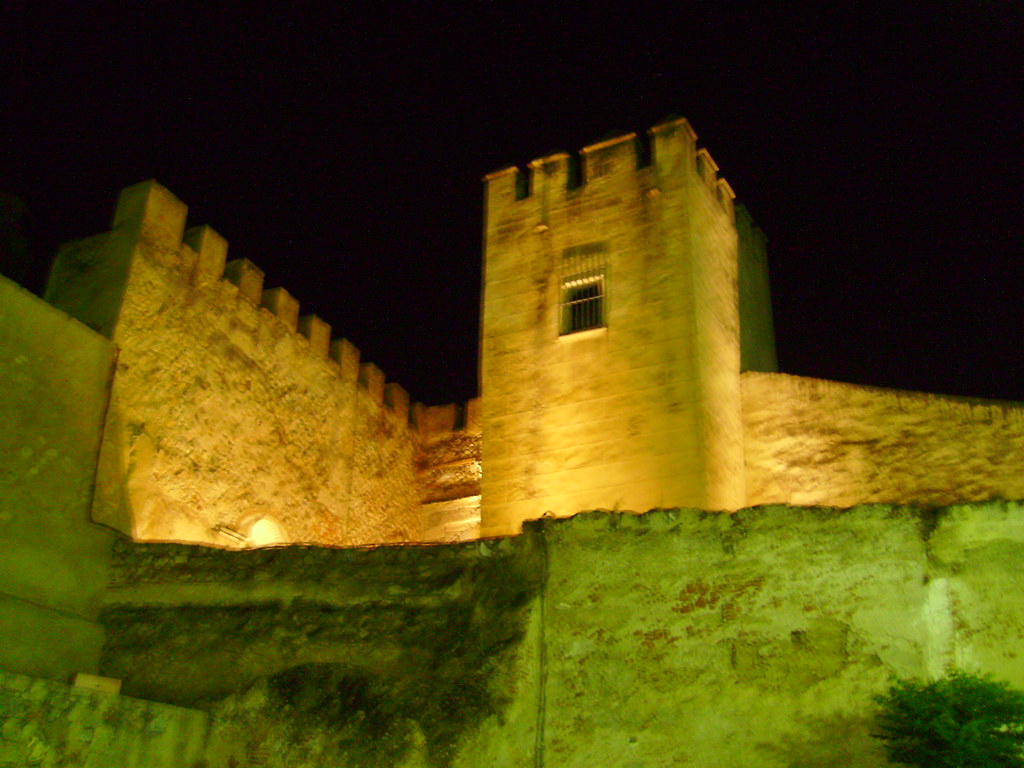
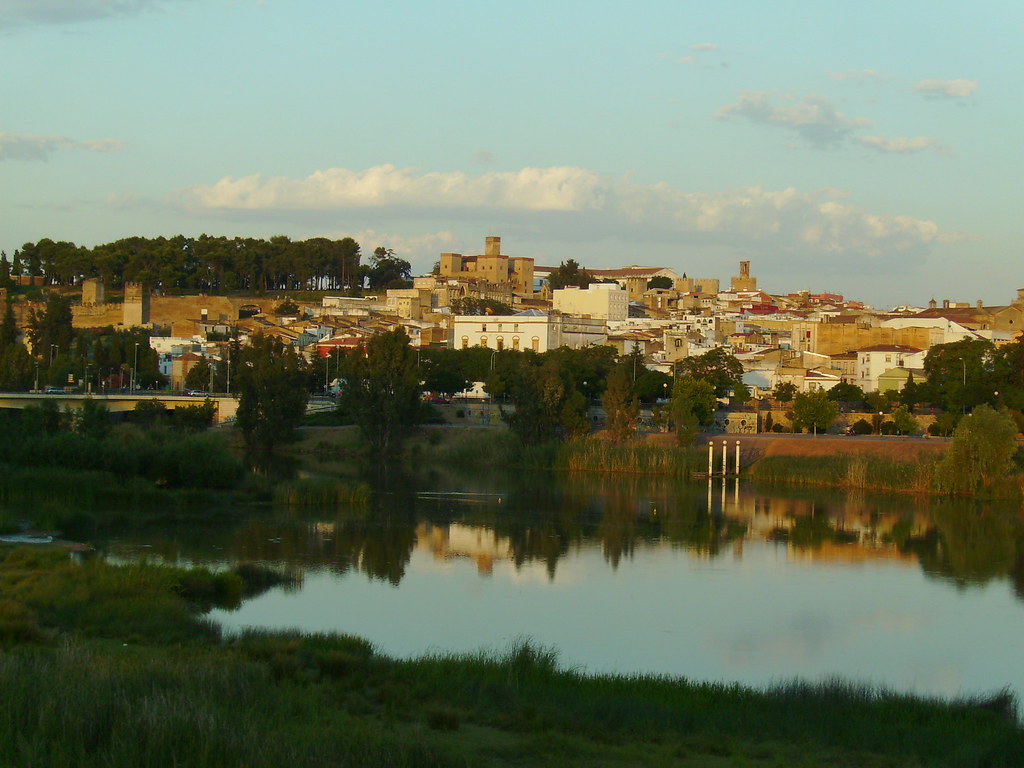
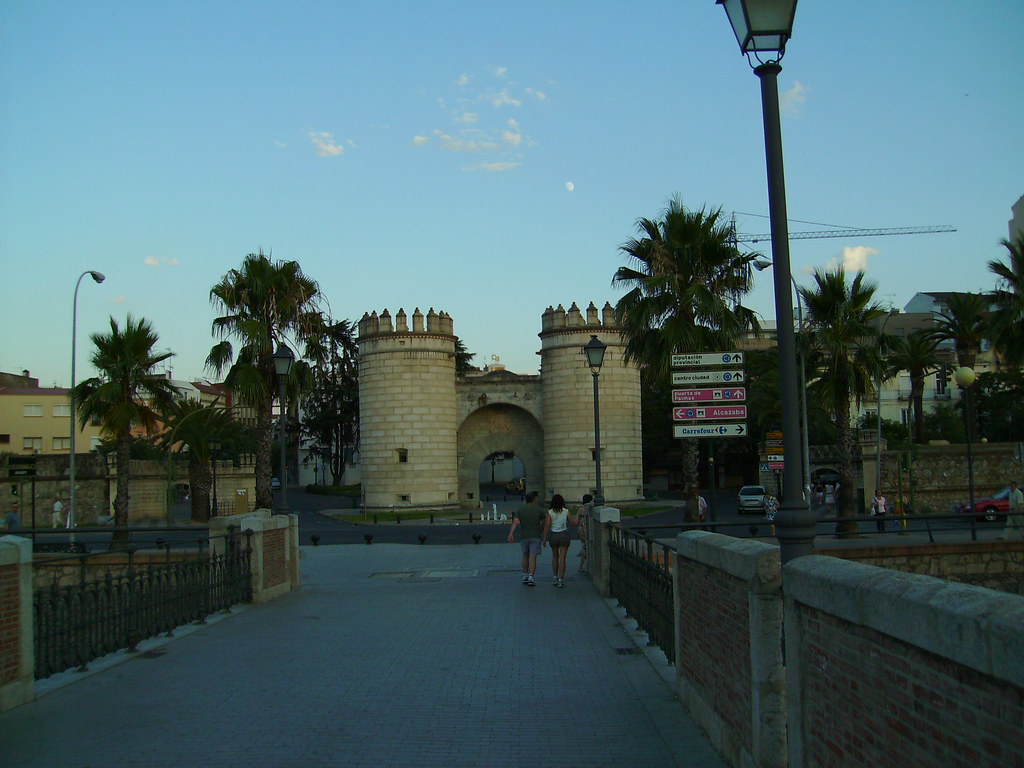
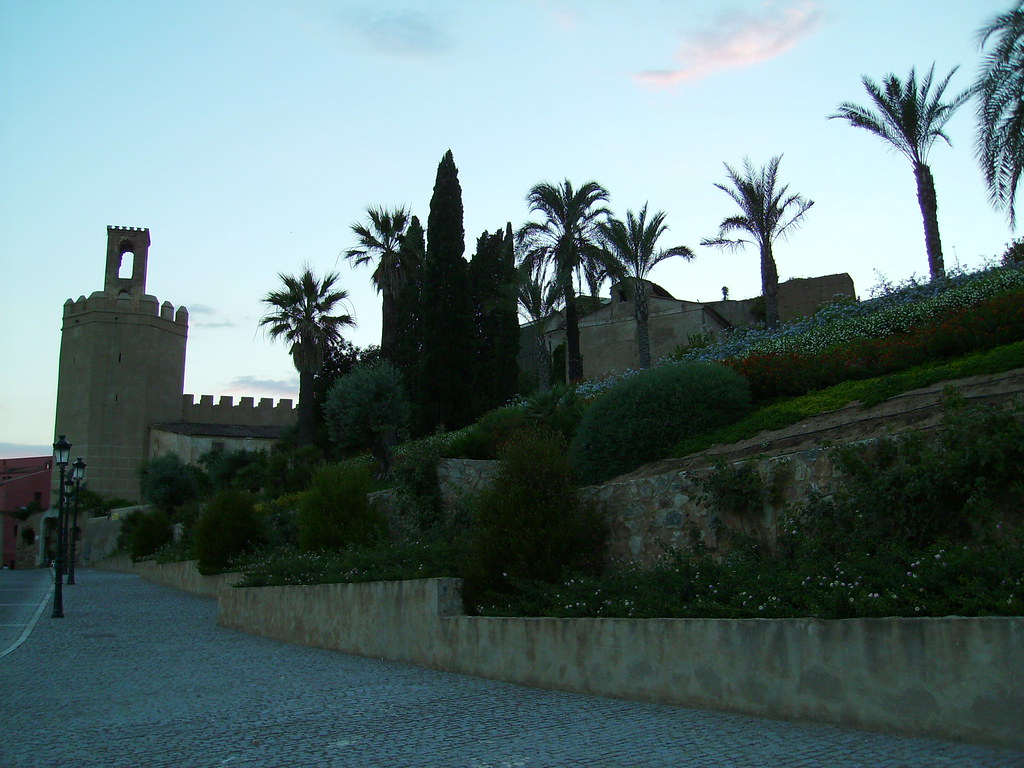
That evening, we went in to the city of Badajoz for dinner. This has been an entry point between Portugal and Spain for some time, and there are a lot of the old fortifications still visible, including some of the largest remaining Moorish fortifications still remaining in Spain, the fortress known as the Alcazaba. Though there were a lot of Roman ruins in the surrounding areas, including huge bridges and aqueducts, other than being a small roman settlement, it was founded as a city only during the Moorish rule.

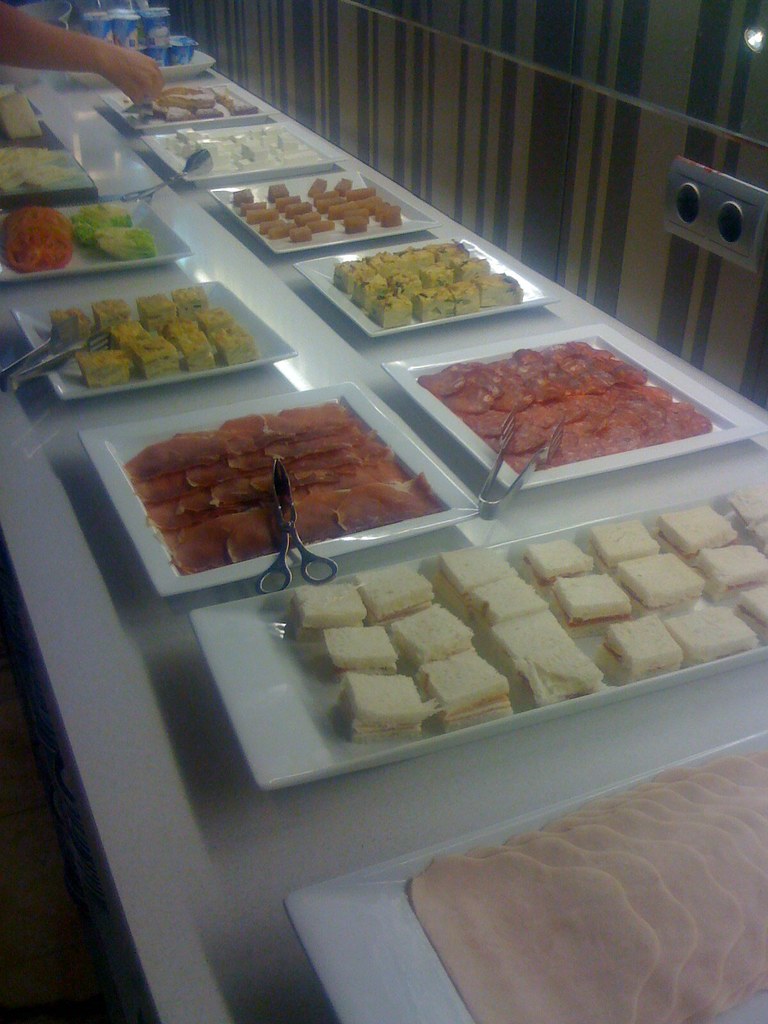
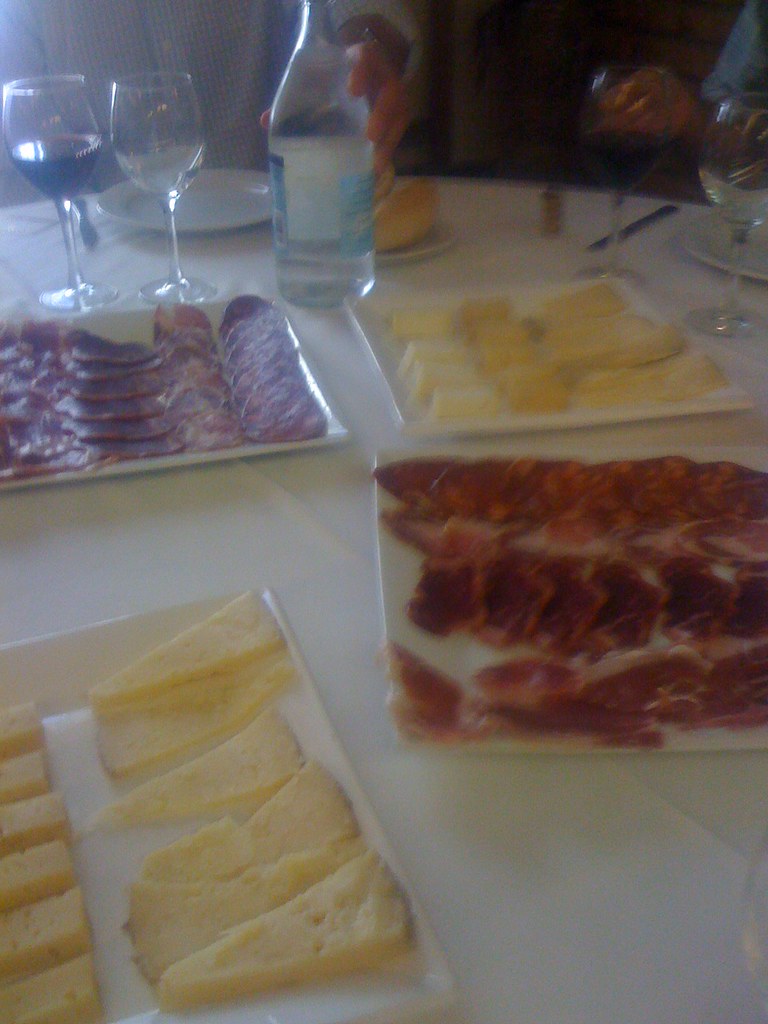
We sat outside in the Alta Plaza near the Alcazaba, and had an amazing meal of tapas - Gambas, (large shrimp,) Jamon, goat's cheeses, and pork. Delicious!

San Vicente - on the way and back


This was a great day in many ways. I had been wanting to see this process since I first heard about the DIAM closure, and the plant tour really confirmed my trust in this technology as a top quality closure for high-quality wines.

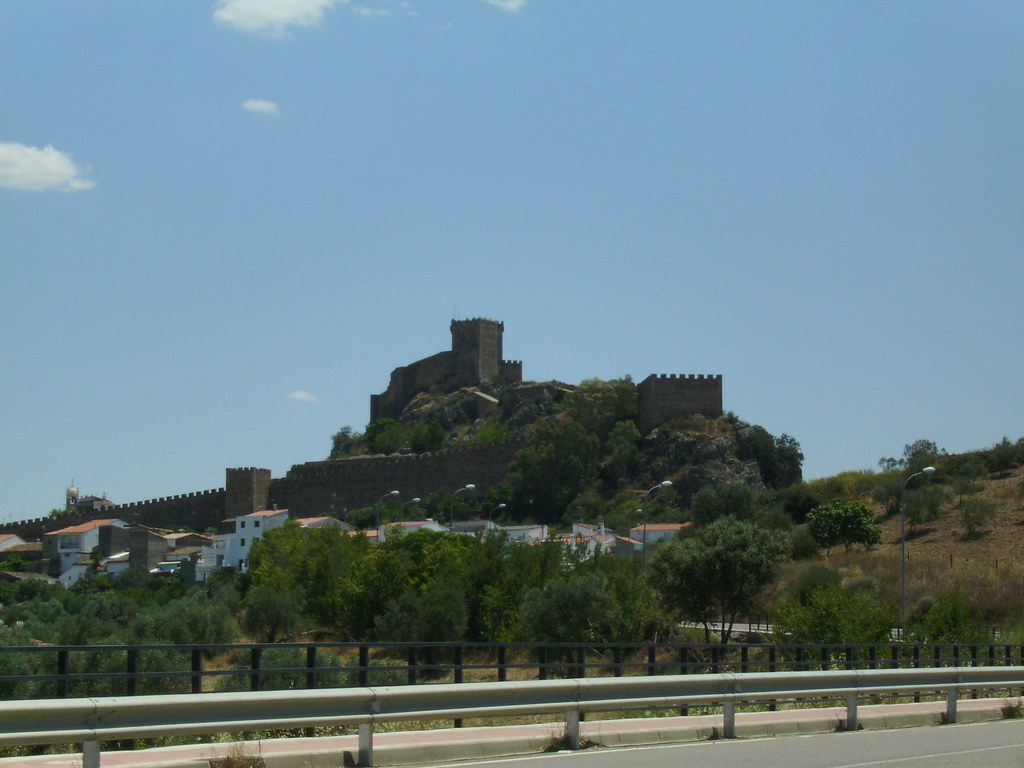
In addition, the countryside was beautiful - cork oak forests, stone walls, mountains, plains, horses, sheep, cattle, even Iberian pigs. We passed through the hilltop fortress town of Alburquerque, with its impressive fortress guarding the valleys on each side and controlling the pass.

Maybe more impressive still was that I managed to have Jamon Iberico for breakfast, lunch, as a snack, and at dinner!

Oeno's DIAM closure (6) - Testing and sensory


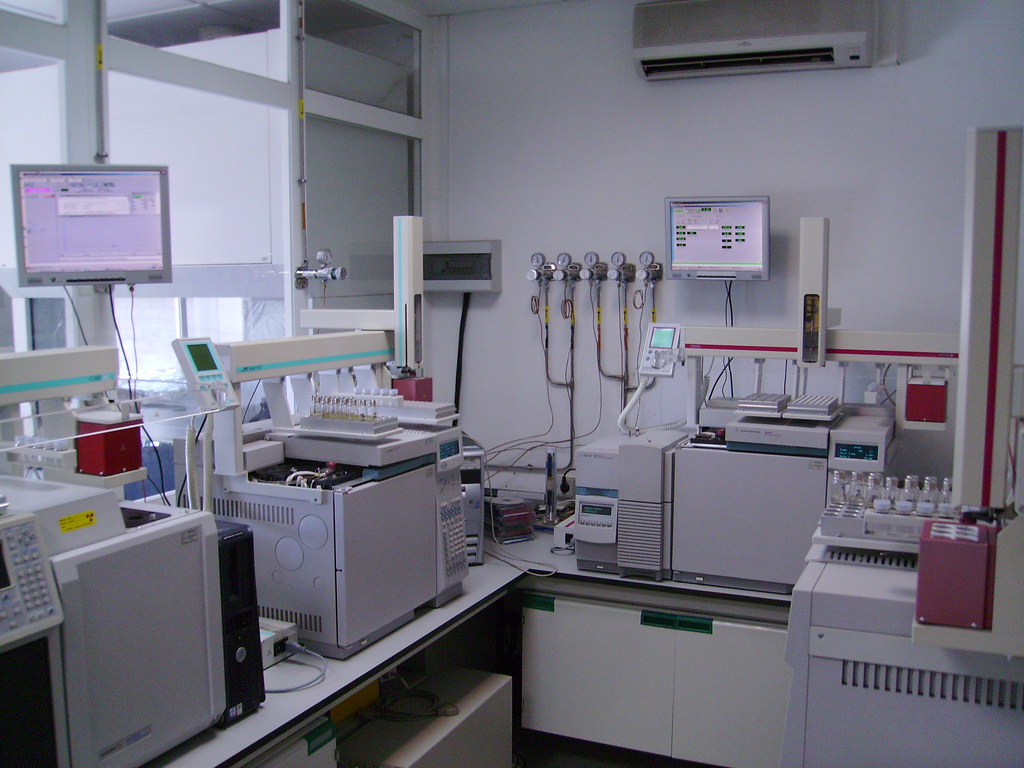
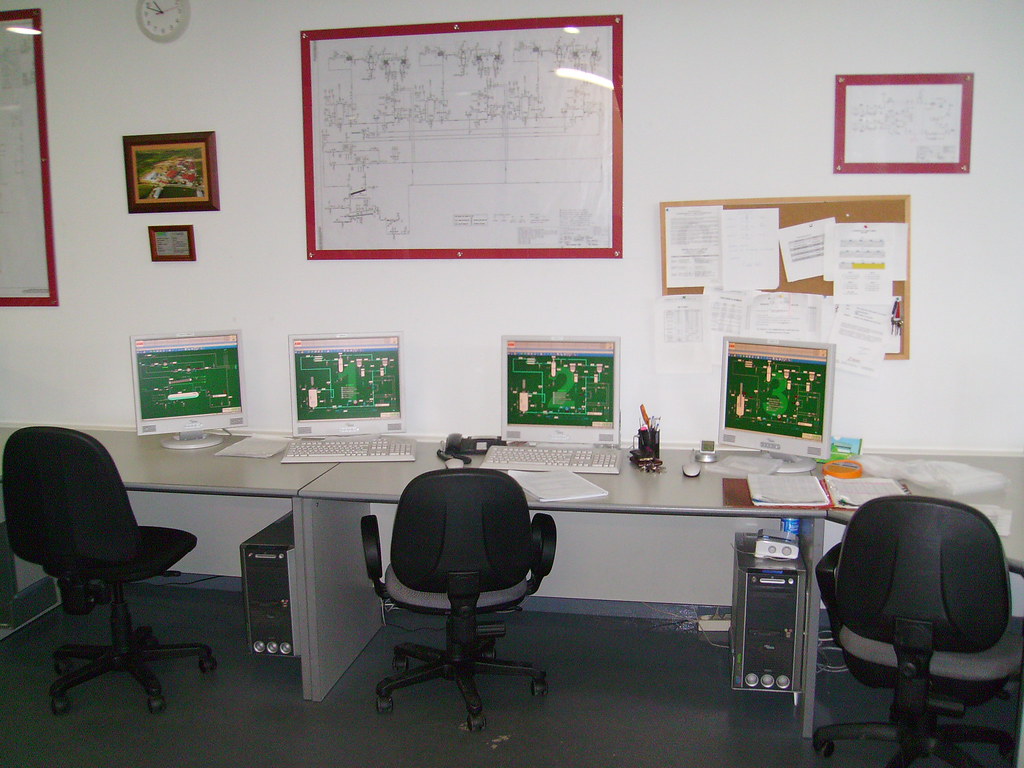
Throughout the process of production, Oeno's laboratory is monitoring every step. All lots of cork flour are tested extensively after treatment, and any questionable result will cause that batch to be rejected and retreated until no trace of TCA can be found. "It is not a question of if the level is acceptable or not - the goal is to make it undetectable with the most modern methods available." They have 6 gas chromatographs - each of these babies is about as much as a Ferrari, last time I asked someone.

They also run tests on the completed closures, to ensure that no further contamination has occurred after the molding and shaping. I believe that Dominic said that they are in full compliance with ISO guidelines for manufacturing, and so this testing is just a part of their commitment to deliver the most consistent, highest performance closure to the industry.

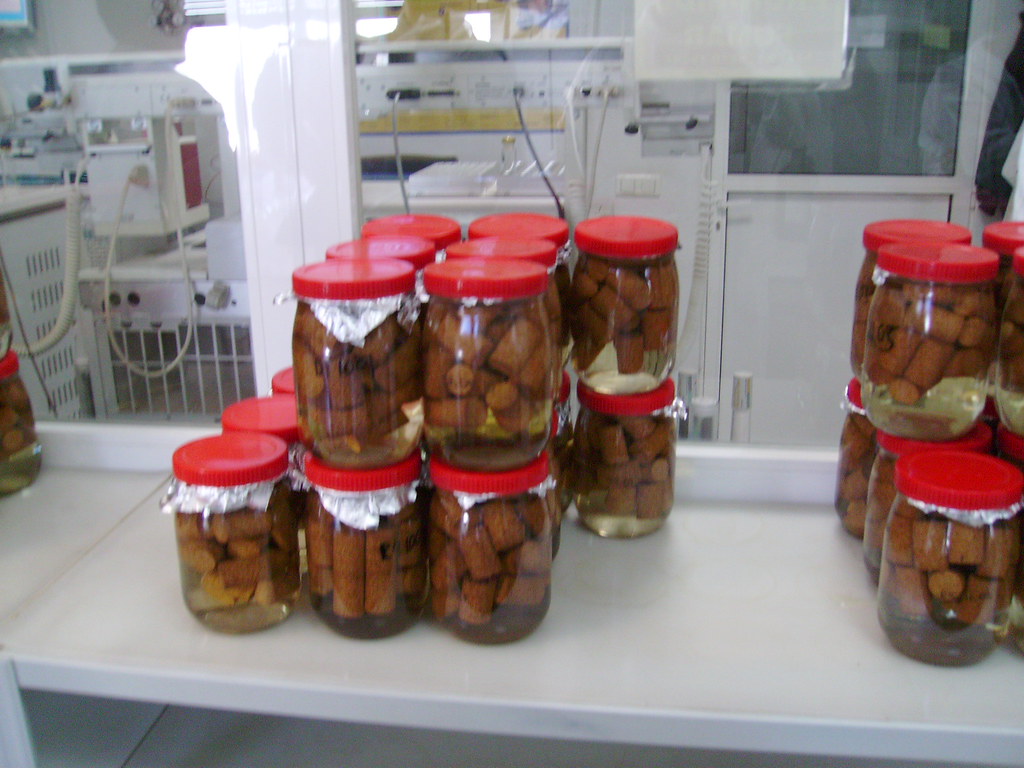
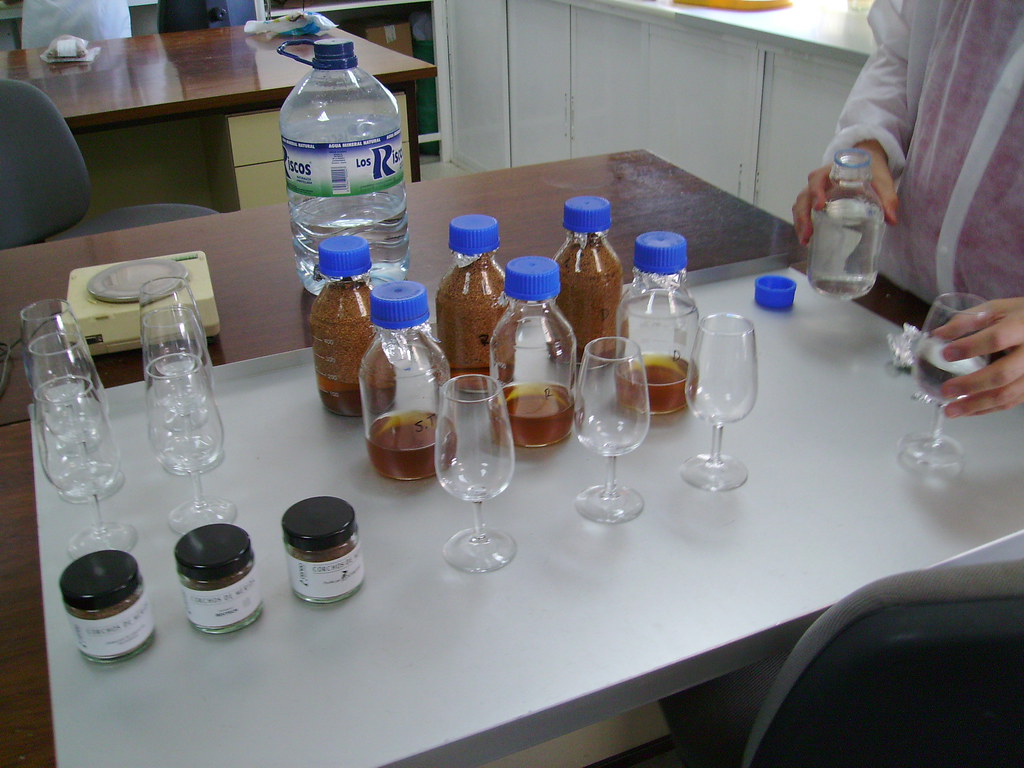
We also smelled liquid from corks being soaked in the sensory lab. First, we smelled clean water, with no aroma at all. Next, traditional corks, with an earthy, woody aroma, some mushroom like character. After that, a steam treated cork, which was pleasantly woody, like cologne, without the mustiness or earthly aromas, much more clean and wood-like. Finally the DIAM, which smelled exactly like the water alone!

When we asked Dominic whether the DIAMANTE process could be applied to traditional corks, he said "you couldn't treat corks, because it would stretch them out of shape, but you could load planks into the machine, and punch them after treatment - it just would take an enormous amount of time and energy, since there would be much less surface area. But even so, this does not solve some of the other problems of corks - namely each one of them performs differently in terms of oxygen transmission and flavor masking or contribution - we want to make a better, more consistent product." I have found this to be true in my own trials - DIAM perform very consistently, natural corks are the least consistent closure available - one bottle could be perfectly preserved, while the next is aged and oxidized far beyond what it should be.

"You know" Dominic said, "in Bordeaux they say that there is no such thing as a perfect vintage, only perfect bottles. We want to make it so that every bottle can be perfect."

Oeno's DIAM closure (5) - sorting and shipping


At this point, the closures are essentially ready to ship to the next stage, finishing (which typically happens near their point of use - Napa Valley for my closures, some to Australia, and Champagne or Ceret France for most of the others.) Before they can ship, they get one last inspection - an automated machine looks at every single cork from many angles, rejecting any that are discolored, misshapen, have cracks, voids, or uneven surfaces. This was a fun process to watch, as a little puff of air sends the suspect closures off into one discard bin or another to be recycled back into the process.

They had a board of example defective corks as a reference, listed as critical, major, or minor failures. From here, the corks are baled, and shipped around the world.

Oeno's DIAM Closure (4) - molding and shaping


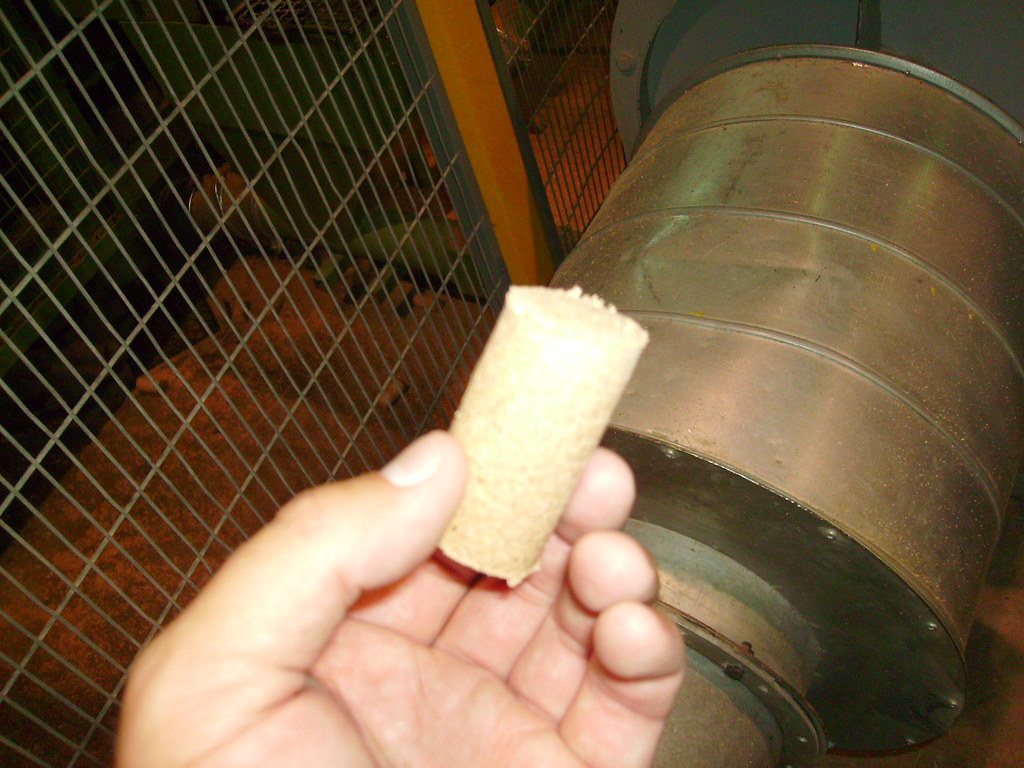
From the TCA extraction process, the treated cork flour moves via pneumatic conveyors to the next factory. Here, it is mixed with 'Microspheres' which are another patented part of the DIAM process. Basically, these are tiny polymer spheres, which when mixed with the cork and then heated expand. Once expanded, they hold their shape, but have some flexibility. They help to give their elastic properties to the closure, ensuring that after compressing, it will spring back to retain the closure in the neck of the bottle, even if the neck is somewhat irregular. Once this is correct, a very high grade, very inert polymer adhesive is added to make a coarse 'meal' which is pumped to the molding machine.

Depending on the intended use for the product, slightly different blends of the composite ingredients are used.

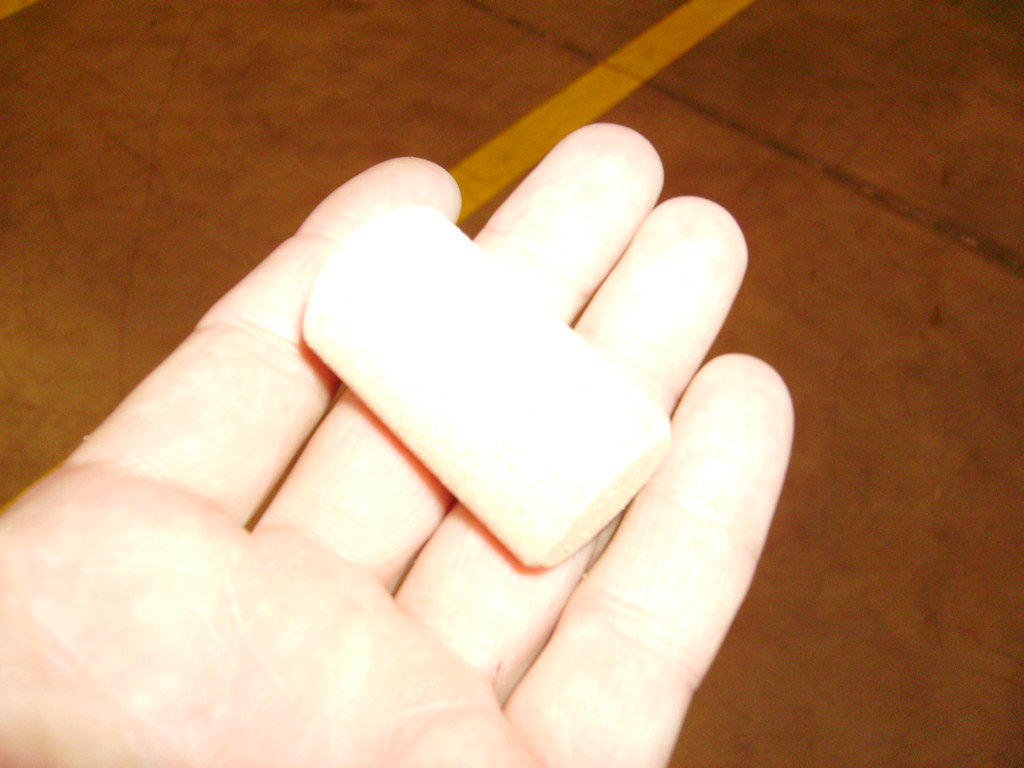
The molding machine is something like an automated cupcake maker. The machine packs the cork 'meal' into a series of small, cork-sized holes, and then compresses and heats it to expand the microspheres. An automated vacuum cleans up the excess from each form, and sends it to be recycled through the process. The molds travel around a conveyor to another machine which pops them out of the mold and into a bin which can be transported to the next step in the process after the corks are properly cooled. At this stage, the closures are rough, and slightly larger than their finished size will be.

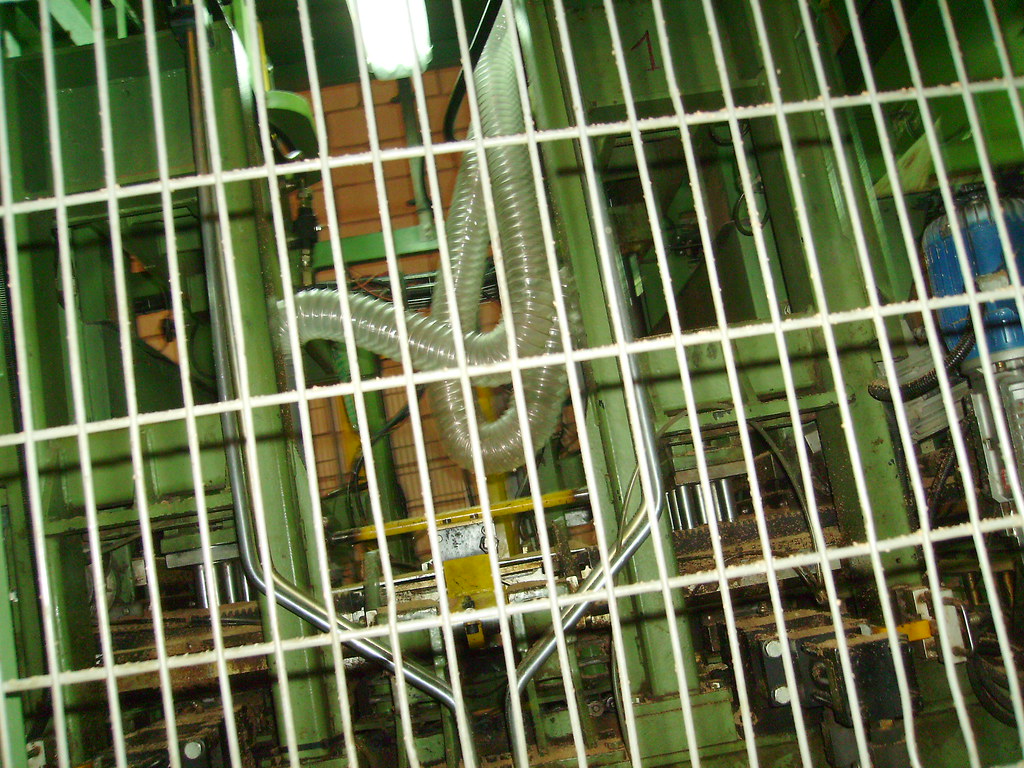
The hoppers are moved to a warehouse where they cool and set. From here, they go through a machine that shapes them, polishes them, and champfers, or slightly rounds the edge of each cork. At every stage of the process, damaged, misshapen, or out-of-spec closures are kicked out of production, back into the recycling process.

Lots more photos and videos from my visit to the DIAM plant at my flickr.com site
Oeno's DIAM closure (3) - Supercritical CO2 - DIAMANTE Process


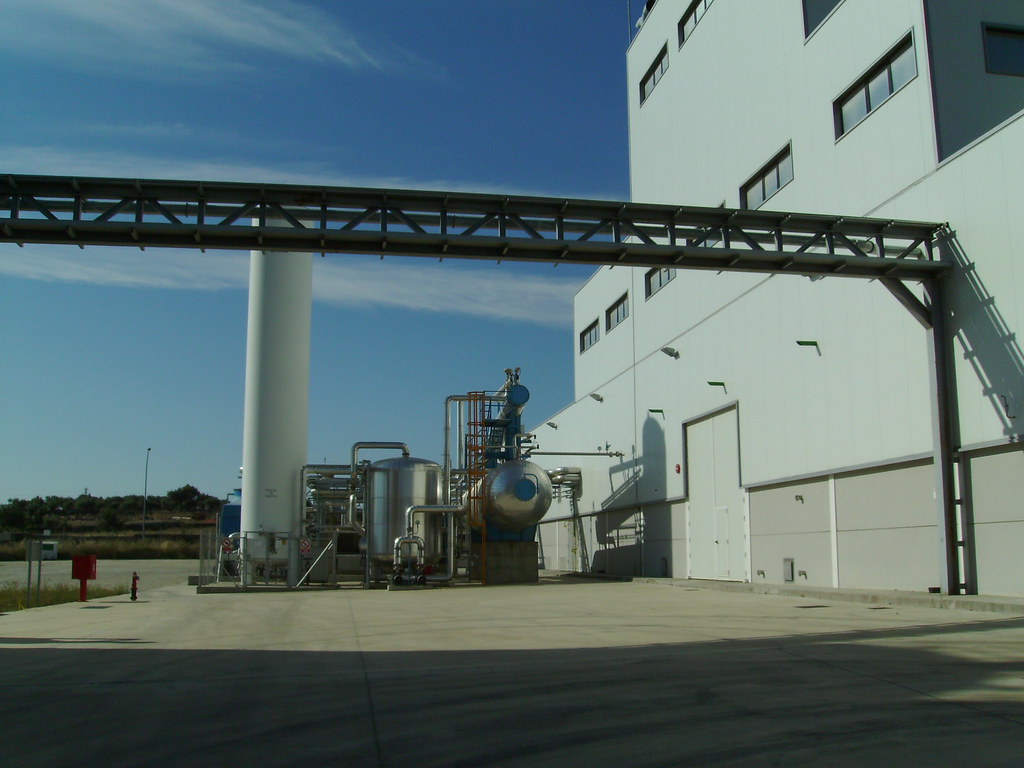
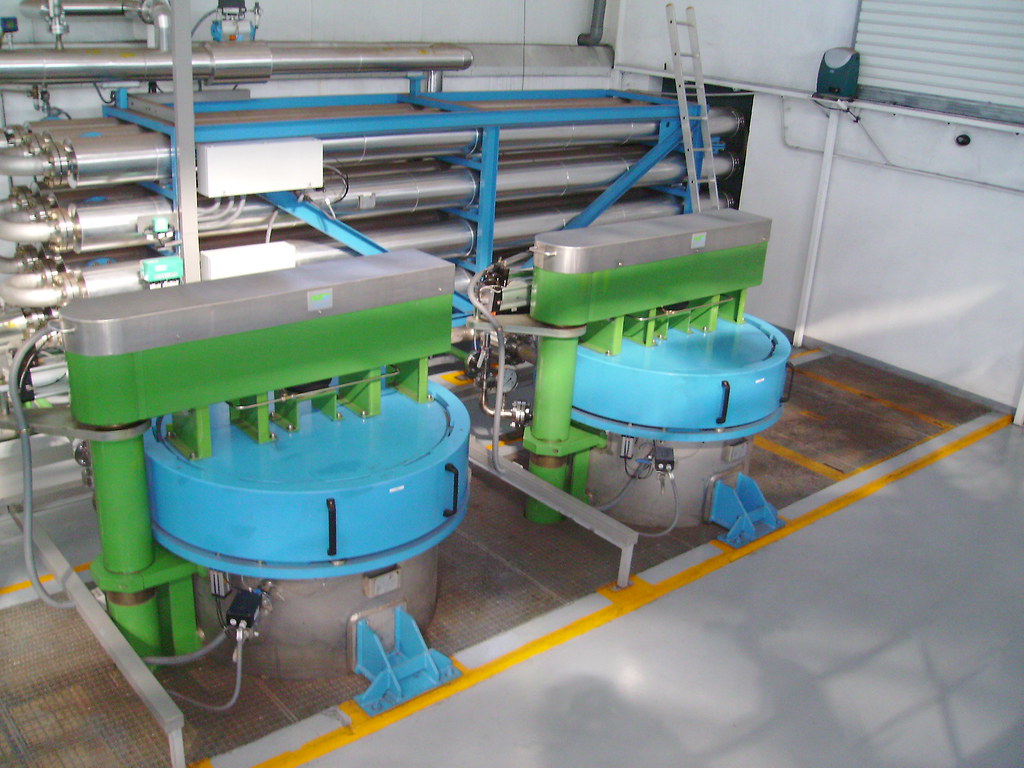
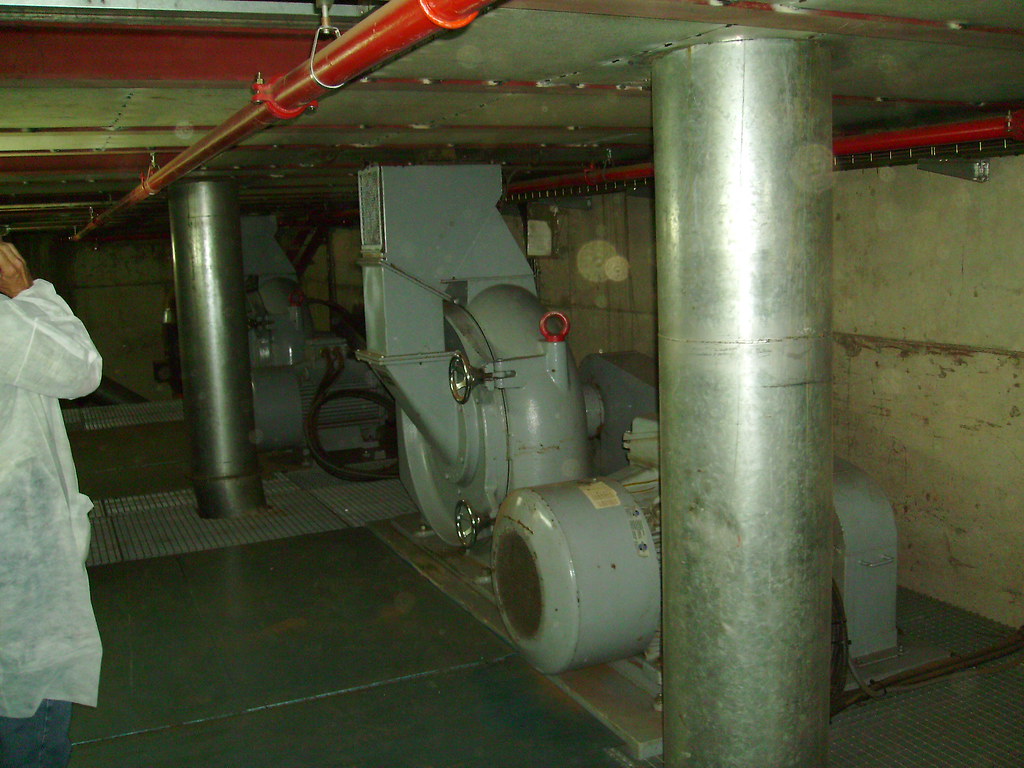
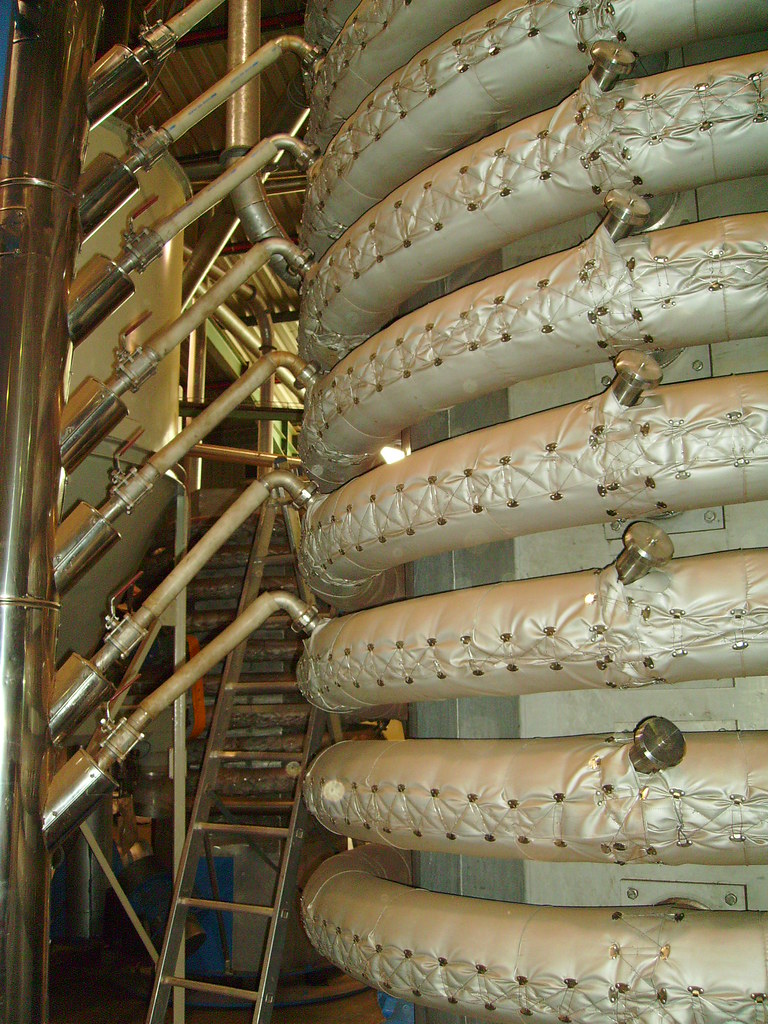
As we walked up to the DIAMANTE process factory, it DID look like something out of star wars. Tall silos contained untreated and treated cork flour, a huge compressed CO2 cylinder, compressors, pipes, coolant lines, electrical, and lots of other equipment that was difficult to totally understand.

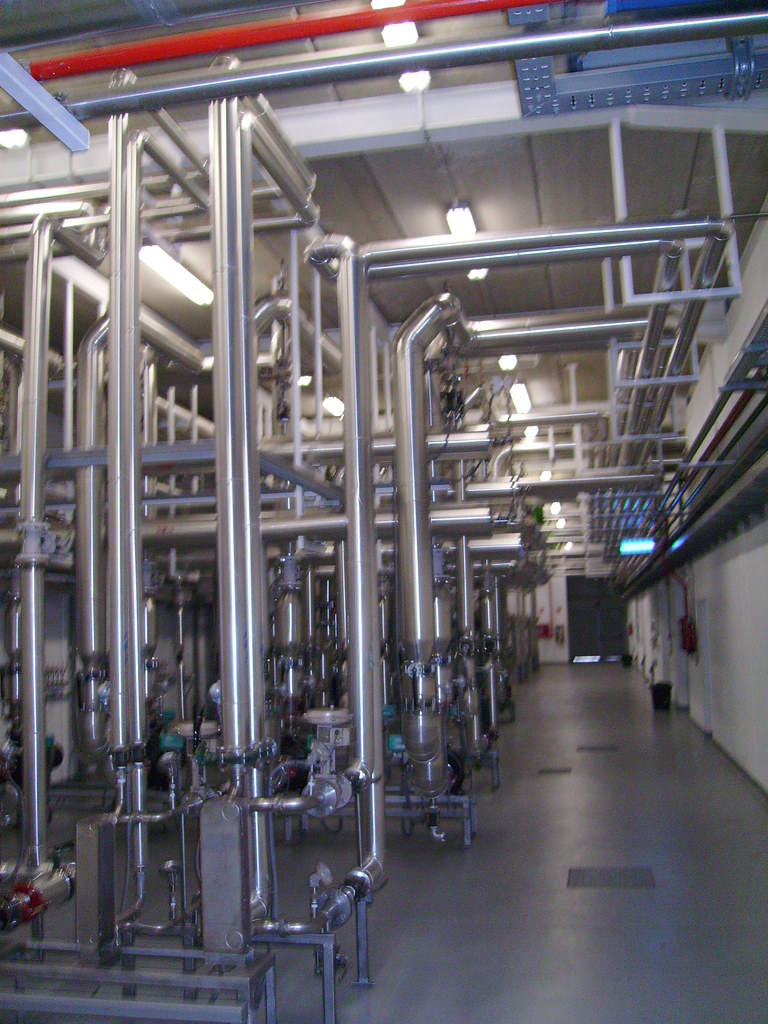
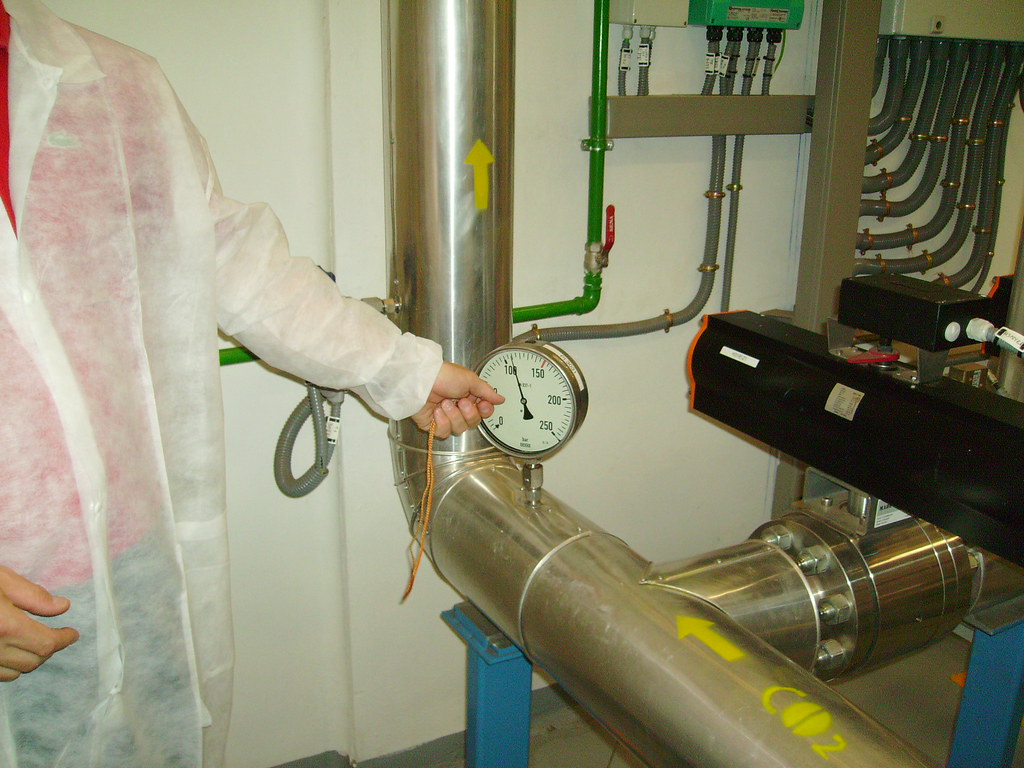
Oeno has several patents on the process and equipment used in their TCA extraction process. The entire process is very complex, and uses many, many steps, but to simplify: They use supercritical CO2, which is CO2 at high pressure and moderately high temperature - this gives it some of the properties of a liquid and some of the properties of a gas. As such, it has huge ability to penetrate the cork granules to extract volatiles, and is very effective as a solvent to remove these contaminants. At the same time, it is relatively gentle on the structure of the cork itself, and does not cause physical deformation of the suberin. Nearly all of the CO2 used is run through an activated carbon filter to remove the TCA and other contaminants, and then it can be reused within the cycle again. CO2 is completely non-toxic, and is a byproduct of many other industries (even winemaking!) so this is considered an extremely 'green' method of extraction, and is now used in applications ranging from decaffeinating coffee to dry-cleaning clothing!

The actual treatment occurs in several tall cylinders, in a batch process. Dominic showed us their very first, prototype extractor, which was in a bay all by itself. "This is the only French-made machine in the entire plant. We have Italian machines, lots of German machines, some Japanese machines, but this is the only French, and now it is not used anymore." (I asked him if, as it was a French machine, it had decided to go on strike!)
We went outside to see where the TCA was collected, along with about 150 other compounds that they had identified so far, in a plastic chemical tote. We smelled it; it smelled vaguely corky, like sawdust and a little woody, but not overwhelmingly like TCA. They are collecting about 300 gallons of this stuff per week - it is completely non-toxic, and they have been discussing the possibility of selling it to some perfume companies, as several of the recoverable compounds are difficult to obtain, and are valuable in perfumery.

From here, the now-treated cork flour travels over to another plant where it is formed, mixed, and turned into closures.

Oeno's DIAM Closure (2) - steam cleaning


Though this is not a part of the production process for the DIAM closure for the USA market, Oeno is continuing to treat some of the 'cork flour' with steam cleaning to extract volatiles and TCA. They are not the only company to use this process, I believe that many of the large cork companies are using this, particularly on their technical closures, such as 1+1 and twin tops. Oeno is mostly using this closure for the spirits industry, to be made into bar-tops - one peculiar feature of TCA is that it is more sensory active in low-alcohol beverages, such as wine. Seems that it is most noticeable at between 4% to roughly 11% alcohol, and then the alcohol has a masking effect. So for malt whisky at 40% alcohol, or even Port wine at 19%, the closure choice is more forgiving. For wine, particularly more delicate styles; champagne, belgian beer closed with a cork - these products are all at particular risk of taint by TCA.

Dominic stated that the steam cleaning process can reduce TCA to below 2.0 ng/l (that is less than two parts in a trillion!) which should be around the threshold for sensory impact for a sensitive individual. They sample continuously during the steam treatment, and if a lot does not pass their testing, it is sent back to be run through the treatment process again. In this way, they can guarantee results below 2.0 ppt, but as Dominic says, "that is not enough. We are still selling TCA, so we had to progress from this."

From here, we started to walk over to the most recent part of the plant.

"Now, we leave the medieval behind and enter the space age!"

More photos from the DIAM plant at my flickr page.

Oeno's DIAM Closure - (1) source cork & sorting


To see the way that Oeno has been operating, in contrast to the older technology under which corks are being produced by the company leasing the remainder of the production space, we crossed over to the other side of the property. (I am trying to make it clear that although they operate on the same property, and though it is illustrative to see traditional cork production side by side with the high-technology used in the DIAM manufacture, there is no connection between the two other than a business arrangement to lease space.) Though Oeno is phasing out of natural cork closures at the moment, when they were producing them, they came at it from an entirely different direction - the soaking of the cork bark was done in gleaming, stainless steel - pressurized steam tables, and the condensed steam was filtered back via what looked like a reverse osmosis filtration system, so that the water was always free of cork tannin buildup and other unwanted contaminants.

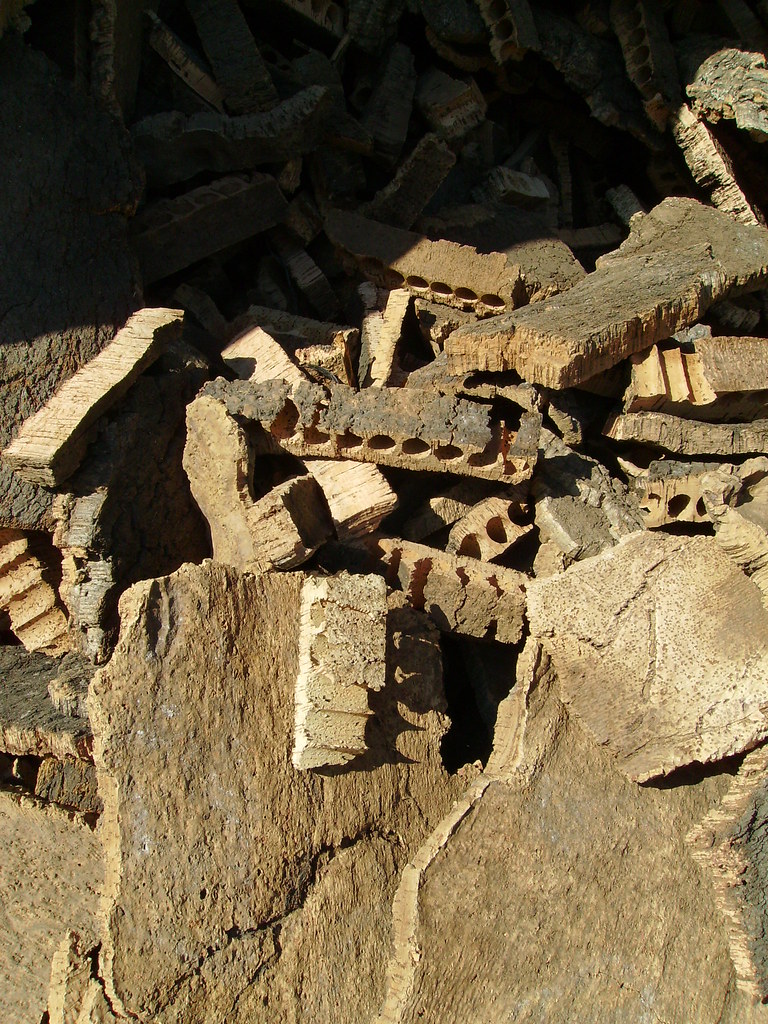
For the DIAM closure, the cork sourcing is not so critical as for traditional corks - the part of the cork that they need is the suberin, the waxy, slightly spongy layer found under the bark of the cork oak tree, (Quercus suber.) We walked to the covered storage bays where cork that was destined to become DIAM was stored - it is made up largely of scraps that are too small to be useful for making traditional corks, remnants from planks that had been punched out into corks already. Dominic, the director of the company showed us a plank that had been punched. There were worm holes, tree bark, and other problems with the cork all around where the closure had been punched out, and one could extrapolate that there were problems in that closure itself as well, wherever it was now. "We find sometimes bugs, bullets, rocks, all sorts of things in the cork that are not desirable."

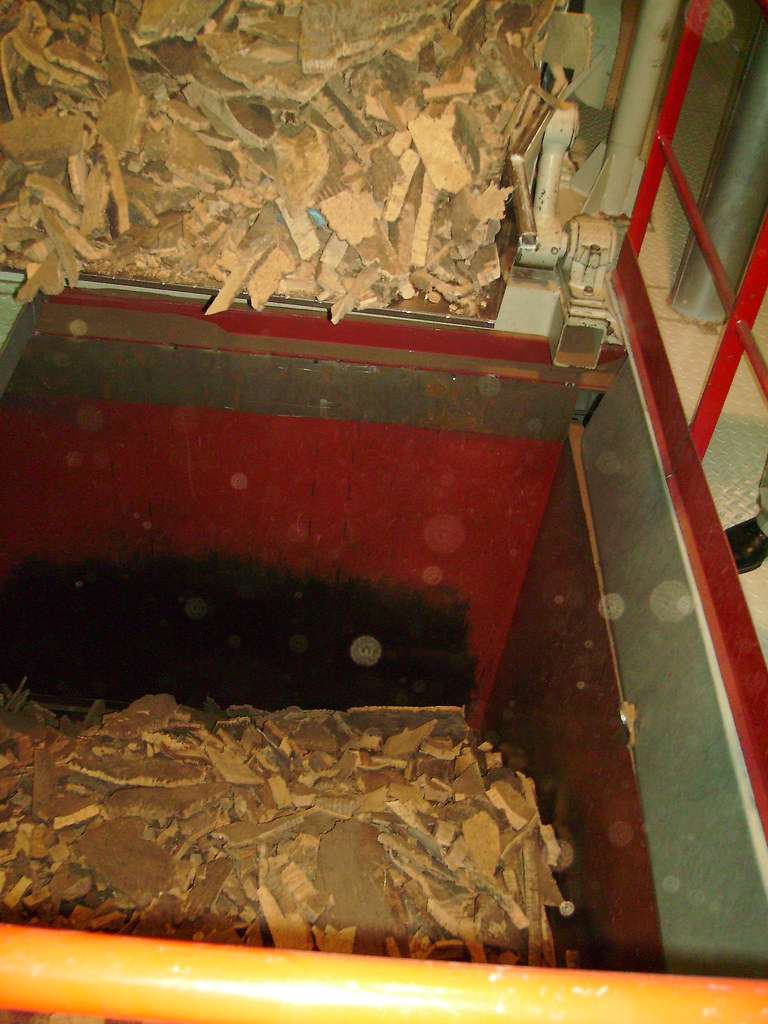
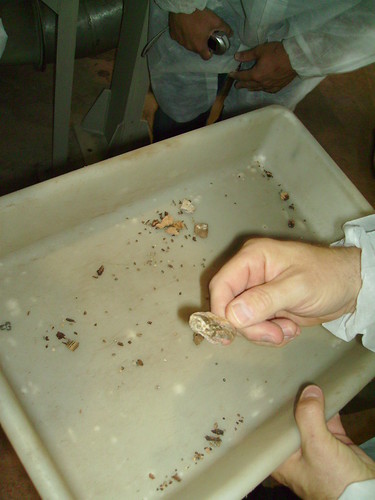
We put on our earplugs and entered the large warehouse where the initial processing takes place. Hoppers full of cork are dumped into a chipper, which breaks down the cork bark into small pieces of near uniform size. Heavy objects fall out at this point, and sure enough when we pulled the pan back to find what had come through, we found wire, a nail, bits of woody bark, small stones, and lots and lots of shotgun pellets - someone must be doing a lot of bird hunting in the cork forests!

From here, the cork is run through a series of centrifuges - this allows the engineers to select only the suberin portion of the cork oak - bits that are more or less dense are separated out and become waste, which will be used as fuel to provide energy to the plant. Of the total tonnage of cork that comes through the plant, less than 50% by weight is the suberin which is desirable for closure production - this is still much more efficient than traditional cork manufacture. As Dominic says, "there is actually much more cork in a DIAM than in a traditional cork!" by which I think he means that as a DIAM is more uniformly made from suberin, it contains much more of the desirable material than traditional corks, with their inclusions, voids, and uneven density. (And much fewer bugs, nails, stones, dirt, air, and bullets!)

Once the cork is sorted, it is sifted once more to ensure a uniform granule size - from here it can go forward to the next processes, designed to extract TCA and other unwanted volatiles from the cork.

(For those of you who may remember the Altec, this was the extent of the processing for that closure. It was assumed that the rigorous sorting would exclude TCA, which was believed to reside most commonly in the barky parts of the cork tree. Oeno does not have any further connection to Sabate or the Altec closure, except for having purchased the company and the patents, and Oeno has expanded their technology far beyond that of the earlier closure.)

Monday, July 14, 2008

San Vicente de Alcantara


When we reached the Oeno closure plant in San Vicente de Alcantara, it was quickly clear that a lot of processes were happening at once. Recently, Oeno has completely put its faith in the DIAM line alone, abandoning the sale of traditional closures. Instead, they lease their old plant out to a traditional cork producer; this one mainly makes the discs that are used on the base of champagne corks, rather than full size still wine corks. This process can make use of pieces of bark that are too thin to punch a traditional cork from.

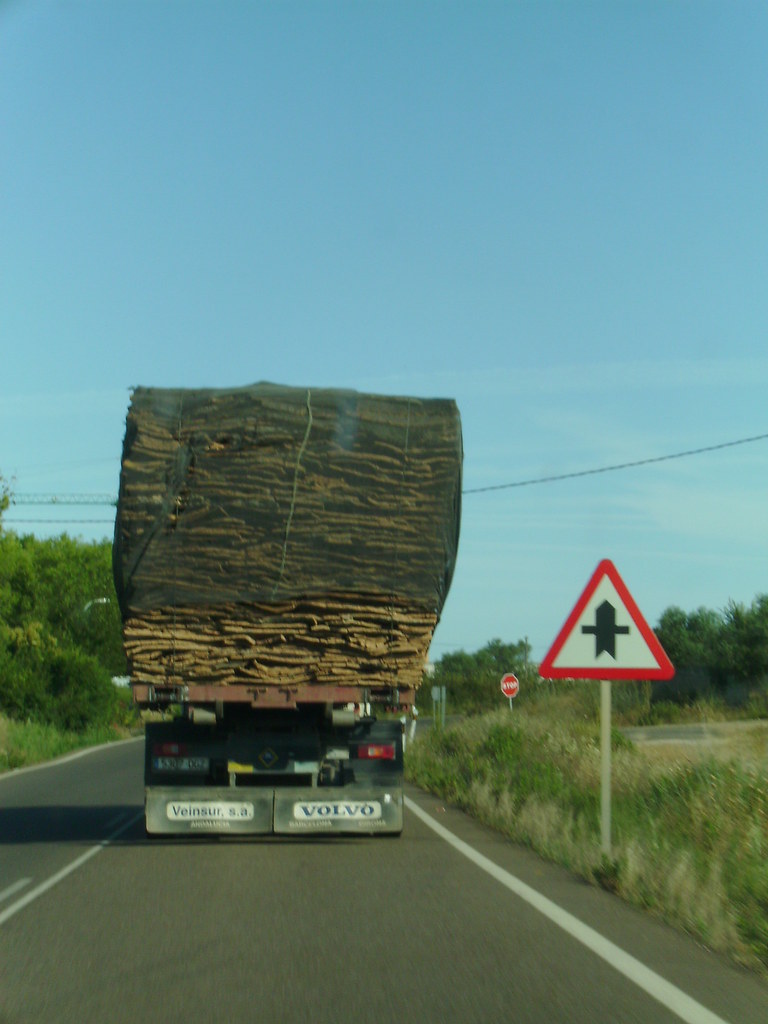
Once the cork is harvested, it is trucked in from the countryside on large flatbed trucks. It is then stored in a cork yard – basically a large woodpile, until ready for processing. Processing starts by immersing planks of cork into boiling hot water – this water quickly becomes pretty filthy. We were here on a Monday, the start of the work week, when the water is fresh – even so, it looked pretty much like a boiling pot of witches brew, with foamy suds and brown, tea-colored water. You can imagine that by Friday, you don’t want to be the guy buying corks from that days soak…

After boiling to moisturize the corks and leach some of the flavor from them, the cork is taken in and stacked to dry flat. After dry, it is sorted by hand, by men with large knives that cut off the sections that are suitable to punch corks from, and the rest is discarded. These selected chunks of cork are then taken to be punched out one by one by an operator with a foot pedal operated machine. The narrower discs for Champagne corks are sliced automatically from thinner sheets of cork.

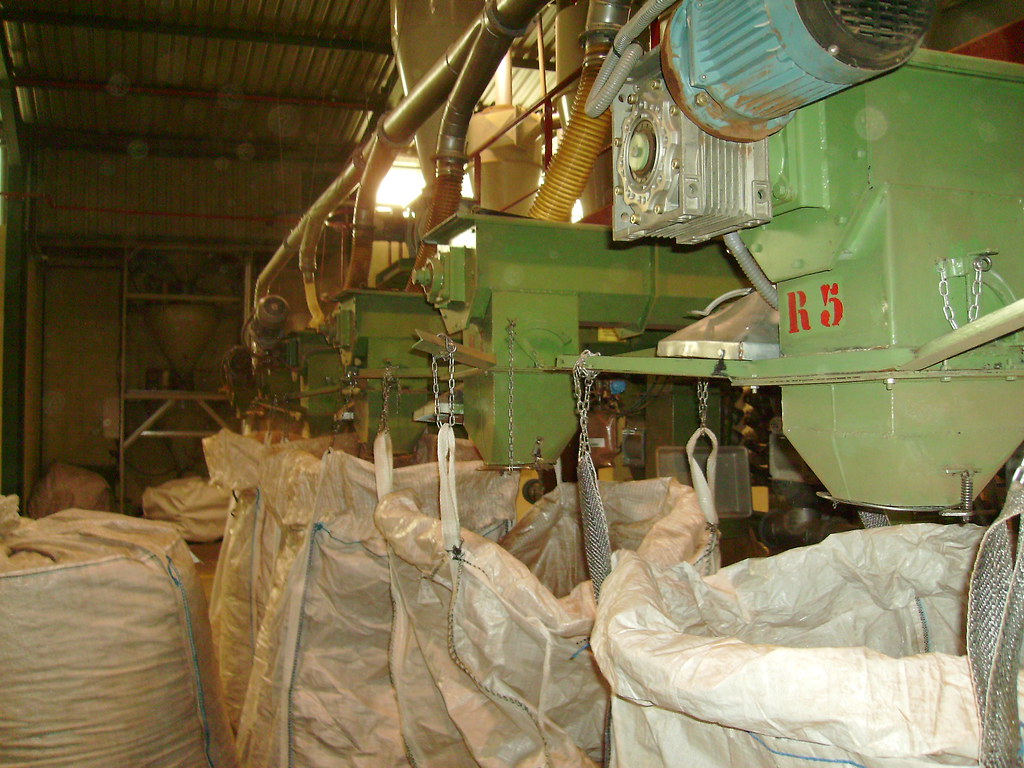
From here, the corks are graded by two women who look at every cork as it passes down a conveyor in from of them. Rejected corks are thrown back into the waste – the ones that pass go into large bags from where they will be shipped to finishing facilities, where the corks will be bleached, further sorted, and finally branded, sealed, and shipped to clients who will use them to close their wine bottles.

This work is incredibly labor intensive, and done with archaic machines and surroundings. It is difficult to imagine that there is much traceability here, and because these corks are then sold on to other companies, it is impossible to know where they will end up.